Designerwear isn’t just about labels—it’s about craftsmanship, storytelling, and the confidence that comes with wearing something made with intention. From runway couture to premium streetwear, designer fashion has become a global language: it signals taste, identity, and sometimes even belonging.
But what really makes designerwear different from everyday fashion? And is it worth the investment? Let’s decode it.
What Counts as Designerwear?
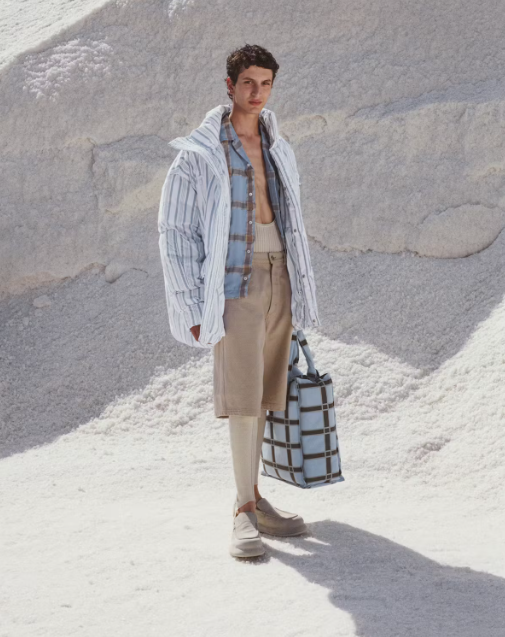
Designerwear generally refers to clothing and accessories created by established luxury fashion houses or high-end designers. These brands typically offer:
- Signature design language (recognizable silhouettes, patterns, or detailing)
- High-quality materials (better fabrics, stronger construction, premium finishing)
- Limited production compared to mass-market fashion
- Brand heritage—a history, a legacy, and a point of view
Designerwear can range from tailored formal pieces to contemporary luxury basics and hype-driven drops. Today, the lines between luxury, streetwear, and everyday fashion have blurred, which is why designerwear feels more wearable than ever.
Why Designerwear Costs More
The price isn’t only about the name. A big part of designerwear’s value comes from:
1) Craftsmanship and Construction
Designer pieces often feature better stitching, lining, finishing, and fit. A well-constructed blazer, coat, or handbag can hold its shape and quality for years.
2) Fabric Quality
Higher-end brands may use premium cottons, wools, silks, leathers, and custom textiles that feel different on the body and age better with wear.
3) Design and Originality
Designerwear is often trend-setting, not trend-following. Many looks that hit fast fashion first appeared as luxury concepts—designerwear acts like the fashion industry’s research lab.
4) Brand Identity and Heritage
Luxury brands sell a world: their shows, campaigns, celebrity styling, and archives build a strong identity that consumers buy into.
The Modern Designerwear Era: “Quiet Luxury” vs “Logo Culture”
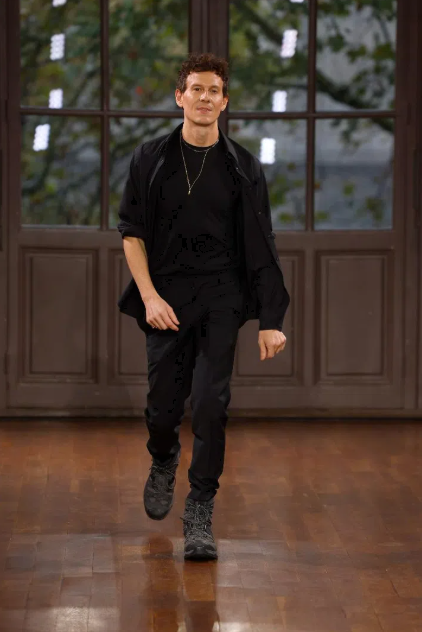
Designerwear has two major style directions right now:
Logo-forward fashion
Bold prints, monograms, obvious branding—this is the “statement” side of designerwear.
Quiet luxury
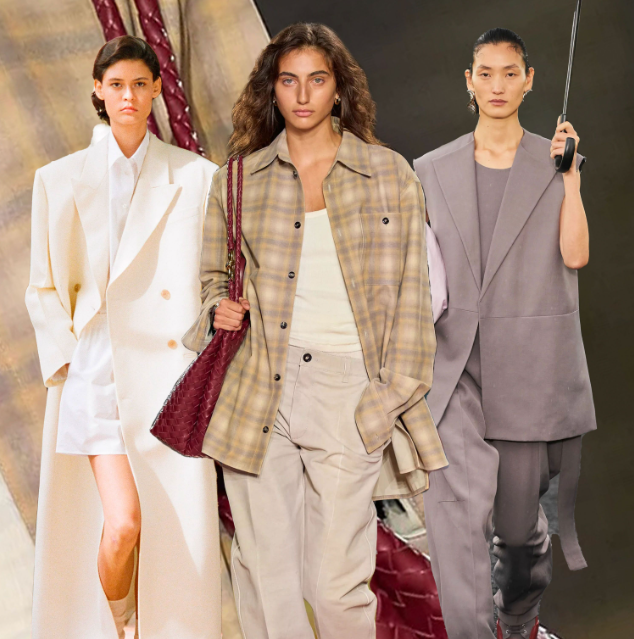
Minimal branding, premium fabrics, clean silhouettes, subtle details. The vibe is less “look at my brand” and more “look at the quality.”
Both are valid—the choice depends on your personal style and how you want to be perceived.
How to Wear Designerwear Without Looking Overdone
Designerwear looks best when it’s styled with balance. A clean approach usually wins:
- Pair one statement designer piece with basics (a designer jacket + plain tee + denim).
- Mix high and low: luxury sneakers with a simple outfit, or a designer bag with everyday wear.
- Fit matters more than brand—tailoring can make even a simple look feel premium.
- Focus on timeless shapes: coats, blazers, knitwear, denim, neutral bags.
Designerwear should elevate you—not wear you.
Is Designerwear Worth It?
It can be—if you buy smart.
Designerwear is most “worth it” when:
- You choose timeless pieces you’ll wear for years (coats, bags, blazers, shoes).
- You value fit, fabric, and durability.
- You shop intentionally, not impulsively.
- You’re comfortable paying for the experience and identity—not just the item.
If you’re experimenting or trend-chasing, it may be better to go mid-range or shop resale to test your style first.
Smart Ways to Shop Designerwear
If you want designer fashion without regret, here are practical strategies:
- Start with staples: neutral sneakers, leather belt, structured bag, classic coat.
- Shop end-of-season sales and outlet platforms (carefully—verify authenticity).
- Try pre-owned/resale: many luxury pieces hold quality exceptionally well.
- Check materials and construction: the tag tells a story—fabric blend matters.
- Avoid “buying the logo” only: choose pieces you’d love even without branding.
Final Thought
Designerwear isn’t just a flex—it’s fashion at its most intentional. Whether you love bold runway energy or subtle quiet luxury, designerwear offers a level of design, craftsmanship, and identity that mass-market fashion rarely matches.